Apparently I've been busy
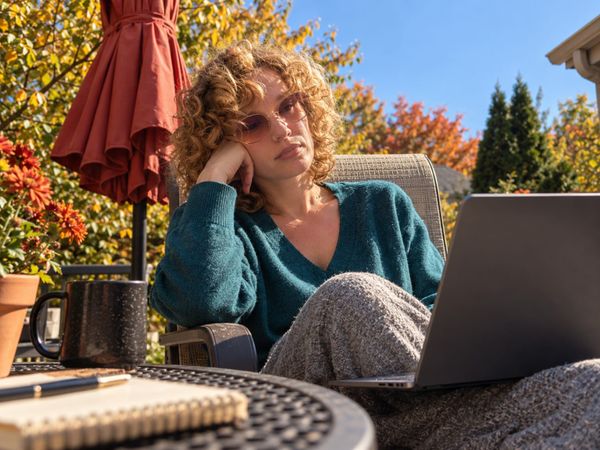
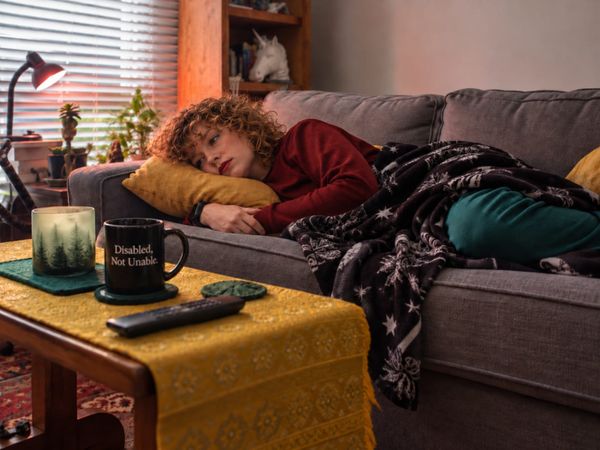
I work from bed and use my cane significantly more than I used to, but life is settling down as I adjust to a new reality of physical and mental chronic illness.

If you prefer audio narration, feel free to listen in! Or download the .mp3 file to listen later.
Hi, I'm still here! 16 months later, but who's counting...
Anyway, I'm back, I'm alive, and I'm doing better overall. I work from bed and use my cane significantly more than I used to, but life is settling down as I adjust to a new reality of physical and mental chronic illness.
The TL:DR is that I'm still freelancing, still chronically ill, and still trying to figure out how to build a life and career that work with my body instead of against it.
For the full(er) version, keep reading.
The narcolepsy saga
Over the past couple of years, I've gone through sleep studies, specialist appointments, and enough discussions about sleep architecture to make me tired and wired.
And at long last, I'm exhausted to announce that we finally have an answer.
Spoiler: It's Narcolepsy Type 2.
One of the hardest parts of chronic illness isn't the symptoms themselves. It's the years spent wondering whether you're exaggerating them, imagining them, causing them, or simply failing to cope as well as everyone else.
Learning that there is a genuine neurological explanation for some of the things I've experienced hasn't magically fixed anything.
But answers matter.
What else has changed about my life?
- I’m still self-employed, but I only work part time. I’m also using more automation tools to support my business—and maybe build some new things.
- My depression has improved considerably. However, intensive trauma therapy for C-PTSD has left me moodier and more reactive. This has resulted in some epic meltdowns and a newfound interest in MMA and Asian revenge dramas.
- My relationship is doing better, and our finances are slowly stabilizing after we ran through most of our emergency fund.
- I’m trying to eat and exercise well. My biggest task over the past month has been gathering all the paperwork required to apply for food assistance and Medicaid as a disabled person who can’t work much.
Overall, I've spent a lot of time this past year thinking about sustainability—not just financially, but physically and mentally.
How do you build a business when your energy is inconsistent? How do you plan a week when you don't know how functional you'll be? How do other chronically ill and disabled folks do it?
I don't have perfect answers...yet.
But I do have more data than I used to.
Which brings me to my final—and fave—update.
Reintroducing The Chronic Worker
If you've been around TCW—or me—for a while, you already know I've never been particularly interested in pretending any of this is easy. Being chronically ill may be just one facet of our lives, but it affects every part of it.
And here's the thing: Nobody sees the whole picture.
My therapist sees one part. My psychiatrist sees another. My DO, specialists, and partner all see different facets of what's going on with me.
Even with experts and tests, you're still left with huge information gaps like how factors such as weather, community, finances, and small daily stressors can affect health.
What does it take to fill those gaps? Data.
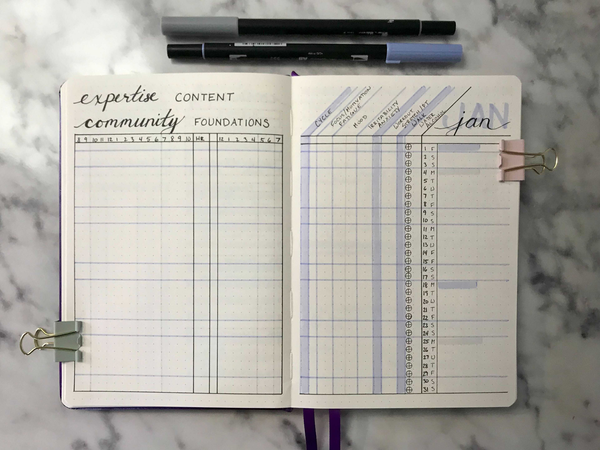
At some point, I started collecting information about myself. Nothing special, just observing what happens each day. The more I tracked, the more I noticed, and the more I noticed, the more I wanted to understand.
So naturally, I did what any reasonable person would do: I rebranded my entire magazine and newsletter ecosystem to try and answer one question:
What would make life with chronic illness more workable?
The Chronic Worker is now a field guide to that question—a place for stories, resources, experiments, voices, and reporting about the realities of living and working with chronic illness.
Chronically Self-Employed is my personal column within that world: the ongoing story of what it looks like to build a creative life and business around an unreliable body (or pr
And behind the scenes, there’s SIPS: the Starr Institute of Physiological Shenanigans, my tiny research institute devoted to investigating the peculiarities of living in this body .
(More on that last project another time.)
The mission is simple: Observe first. Optimize later.
For most of my life, I've approached health challenges the way many people do. Something goes wrong and I immediately start looking for a solution.
Now, before trying to fix something, I want to understand it. Kinda like being a journalist, explorer, or PI.
What actually happened? What came before it?
What tends to make it better or worse? What patterns emerge over time?
It's surprisingly fun...which is not a sentence I expected to write about chronic illness.
Over the coming months, I'll be writing more about chronic illness, self-employment, disability systems, recovery, and whatever discoveries emerge from my own investigations.
There will probably (definitely) be spreadsheets. There will definitely be stories.
For now, though, I just wanted to say hello. Still here. Still freelancing. Still asking inconvenient questions.
It's good to be back.
Keep exploring
The first findings are now in Month One of SIPS and Month 2: The Long Tail of Recovery. Want to try a smaller version yourself? Visit the Chronic Life Observation Toolkit hub.